Green Initiatives: How E-Waste Recycling Services Are Protecting Our Planet
E-waste poses significant threats to the environment, as disposed electronics frequently harbor hazardous substances. Such dangerous compounds can pollute soil and water supplies, resulting in widespread environmental harm. Electronic waste recycling programs offer an effective remedy. They serve the dual purpose of reclaiming precious materials and reducing contamination. Comprehending the operation of these services and their influence on communities is of great importance. The path to successful electronic waste management prompts vital discussions about personal accountability and communal efforts. What measures can be pursued from this point onward?
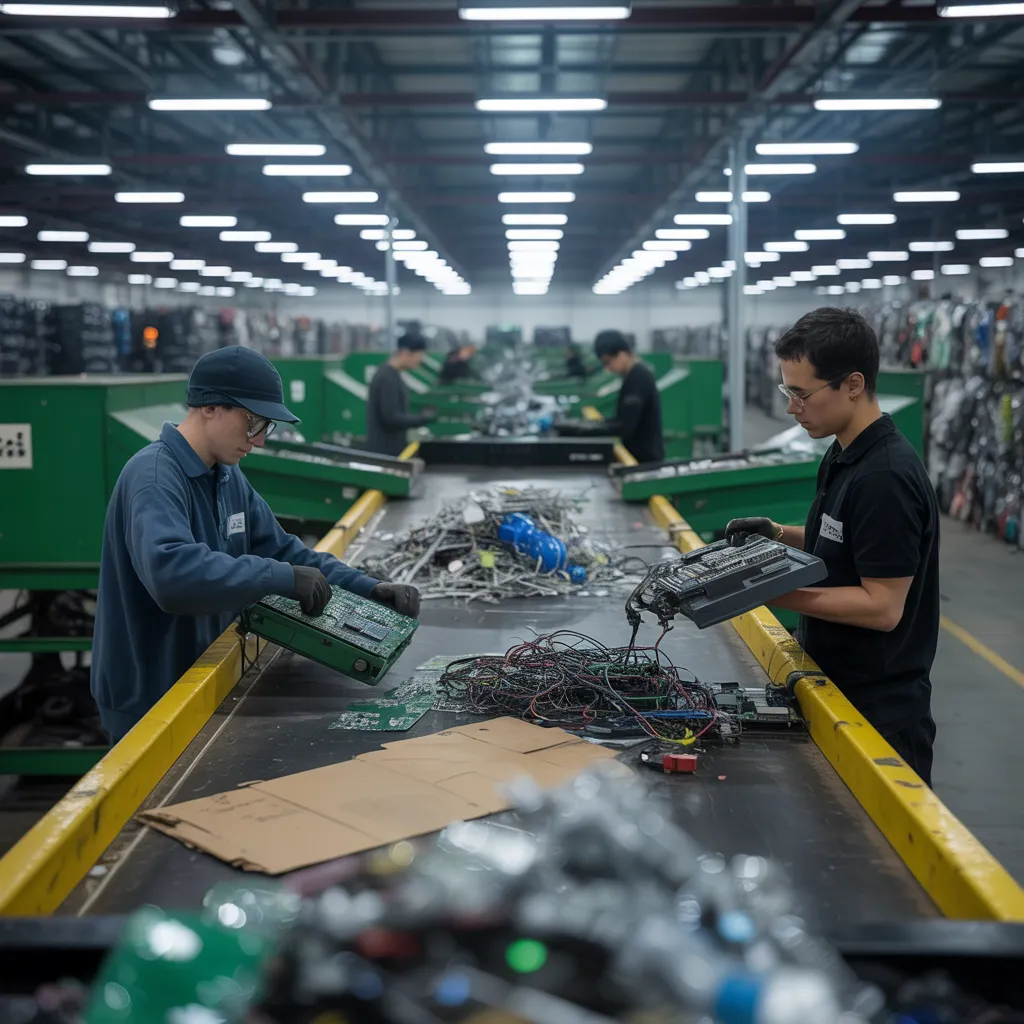
Why E-Waste Is Bad for the Planet
Even though technology enriches contemporary living, e-waste poses serious threats to the environment. Abandoned electronic gadgets, often containing hazardous materials such as cadmium, lead, and mercury, are capable of seeping pollutants into soil and groundwater, creating hazards for ecosystems and human health. The swift progression of technology leads to greater consumer replacement of electronic devices, intensifying the growing problem of e-waste.
Landfills, already burdened with waste, struggle to accommodate the growing volumes of discarded gadgets. Burning, an alternative disposal approach, discharges toxic contaminants into the air, worsening overall air quality. Furthermore, inadequate recycling methods can result in the shipment of electronic waste to underdeveloped nations, where workers may break down equipment without proper protective measures, putting themselves at risk of exposure to hazardous materials. This cycle of neglect and improper handling underscores the urgent need for sustainable recycling solutions that can mitigate the adverse effects of e-waste on the planet.
Understanding E-Waste and Its Significance
Electronic waste, commonly known as e-waste, encompasses obsolete electronic products like smartphones, computers, and televisions that are no longer functional or needed. This rapidly expanding waste category is noteworthy owing to its accelerating volume, propelled by advances in technology and evolving consumer behaviors. As growing numbers of electronics become outdated, the environmental impact intensifies, with toxic materials such as lead, mercury, and cadmium threatening both ecosystems and public health.
The importance of addressing e-waste lies not only in mitigating these hazards but also in recognizing the valuable materials it contains. Precious metals and rare earth elements can be recovered and reused, reducing the need for mining and conserving natural resources. By understanding e-waste and its implications, individuals and organizations can make informed decisions about disposal and recycling, ultimately contributing to a more sustainable future. Effective handling of e-waste is vital for encouraging a circular economy and advancing environmental responsibility.
The Way E-Waste Recycling Functions
E-waste recycling entails an organized procedure designed to recover valuable materials while minimizing environmental impact. Initially, discarded electronics are retrieved and sent to dedicated processing centers. After reaching the facility, the devices undergo thorough sorting to separate hazardous components from recyclable materials.
Subsequently, workers take apart the devices, extracting plastics, metals, and glass. This stage is crucial, as it makes possible the reclamation of precious metals like gold, silver, and copper, which can be reused in new electronic devices.
Next, the sorted materials are handled through sophisticated techniques, such as chemical treatments and shredding, to prepare them for recycling.
Finally, the residual hazardous waste is handled with responsibility, following eco-friendly standards. This systematic method not only conserves resources but also mitigates the risks linked to irresponsible electronic waste disposal, ensuring a more sustainable future for electronic device usage.
The Benefits of E-Waste Recycling for You and Your Community
Though many people are unaware, the advantages of e-waste recycling go far beyond individual benefit and actively shape entire communities. By responsibly disposing of electronic waste, individuals contribute to a healthier environment, decreasing hazardous materials that can leach into soil and water. This responsible method helps preserve local ecosystems and promotes public health.
Moreover, electronic waste recycling supports job creation within communities. Local recycling facilities often require personnel for a range of functions, from collection to processing, thereby providing employment opportunities within the community. This not only stimulates the local economy but also fosters community involvement in eco-friendly practices.
Moreover, knowledge about e-waste recycling can lead to learning opportunities, equipping residents to embrace sustainable practices. By taking part in e-waste recycling programs, individuals cultivate a culture of sustainability, motivating others to follow suit. Ultimately, the collective impact of these actions can contribute to a more strong and environmentally aware community.
Tips for Choosing an E-Waste Recycling Service
Choosing the best electronic waste recycling provider is crucial for making sure that e-waste is handled in a responsible and sustainable manner. To begin, consumers should check the provider's certifications, such as R2 and e-Stewards certifications, which signify adherence to professional guidelines for secure waste disposal procedures. Additionally, it is advisable to evaluate the provider's reputation by reading customer reviews and obtaining recommendations from trusted sources.
Furthermore, openness in the recycling process is crucial. A reliable provider should offer detailed insights about the way e-waste is handled and what happens to the materials. Furthermore, evaluating the range of services offered can be beneficial; some companies may provide pickup services or offer incentives for recycling.
Finally, being aware of local regulations regarding e-waste disposal can additionally influence the evaluation process. When these considerations are given priority, consumers can play a role in efficient electronic waste handling as well as promoting sustainable environmental efforts.
How You Can Take Part in E-Waste Recycling?
Participating in e-waste recycling may begin at the local level, where recycling centers frequently offer essential services for safe disposal. Additionally, taking part in community awareness campaigns can amplify efforts to inform others regarding the importance of proper e-waste handling. These initiatives not only encourage sustainable practices but also build a collective sense of accountability for the environment.
Area Recycling Stations
Numerous community recycling facilities fulfill a critical purpose in e-waste recycling, giving communities practical solutions to dispose of electronic waste responsibly. These hubs welcome a selection of electronic items, including aging computers, cell phones, and television sets, making certain that hazardous materials are managed safely. Most centers are equipped with qualified professionals who can guide individuals on proper disposal methods, highlighting the value of recycling rather than landfilling. In addition, several stations organize organized drop-off opportunities or appointed collection periods, allowing residents to take part with ease. By taking advantage of these neighborhood resources, community members advance a circular economy, minimizing ecological impact and fostering sustainable behaviors. Working alongside these hubs enables communities to combat e-waste pollution successfully.
Public Awareness Initiatives
Nearby organizations, schools, and enterprises can partner to arrange initiatives that encourage e-waste collection drives. Dedicated participants can take a leading part in spreading awareness, distributing educational materials, and engaging with the community. By means of these joint initiatives, local inhabitants gain greater awareness and encouragement to properly recycle their e-waste, thereby helping to build a greener and more sustainable tomorrow.
Questions We Often Receive
What Electronic Devices Are Eligible for Recycling?
Numerous electronics may be recycled, including computers, smartphones, televisions, laptops, gaming consoles, and printers. Additionally, accessories such as batteries, keyboards, and mice are also suitable for recycling, supporting eco-friendly conservation initiatives.
Is There a Cost Associated With E-Waste Recycling?
Indeed, electronic waste recycling may involve costs, based on the service provider. Certain providers apply costs for collection or processing, while other facilities offer free services, often subsidized by the resale of recovered materials.
How Do Businesses Gain From E-Waste Recycling?
Businesses can benefit from e-waste recycling by reducing disposal costs, enhancing their environmental image, adhering to regulatory requirements, recovering valuable materials, and creating potential earnings via resale, thereby fostering a more environmentally responsible business approach.
What Occurs with Data on Recycled Devices?
Data regarding repurposed electronics is frequently permanently erased or obliterated throughout the recycling process. This guarantees private details remains secure, preventing unauthorized access while enabling components to be recycled securely and sustainably within new applications.
Can I Recycle Broken Electronics?
Yes, defective electronics are able to be recycled. A wide range of collection points accept broken devices, ensuring proper disposal Start here and recovery of recoverable materials. This helps decrease environmental impact while encouraging eco-friendly recycling methods to manage electronic waste effectively.